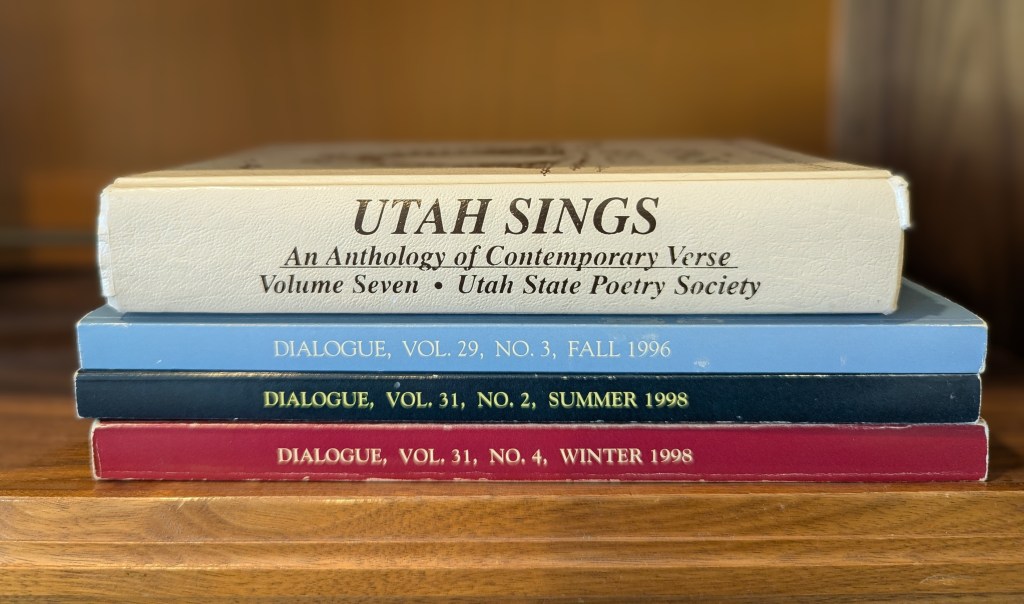
In the mid-1990’s, while I was still a college student, I had a brief burst of creative energy during which some of my work was published. My first success, publishing a short story, “Something to Show” (mentioned in my previous post), made me giddy to get my name in print again.
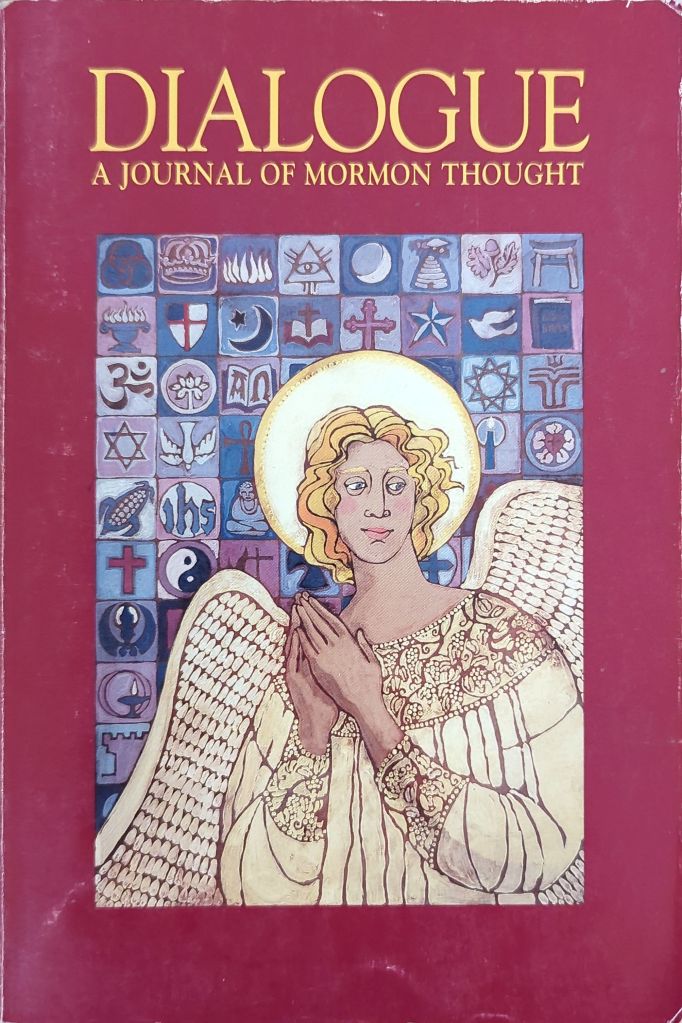
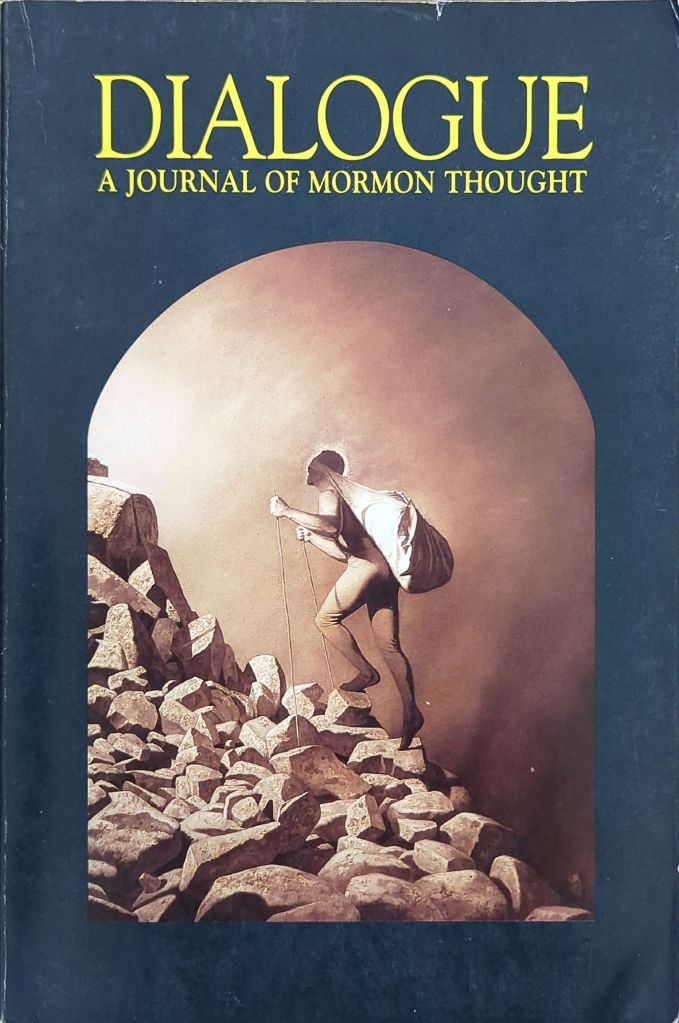
What to write about? Religion played such a central role in my life that I decided to give Mormon fiction another try. As a natural skeptic, I empathized with church members who broke the mold of traditional orthodoxy and found themselves on the outside looking in. I did once submit a short story to The New Era, the LDS Church’s official youth magazine, and was promptly rejected. As an official church publication, all stories had to be inspirational. I was not surprised by the rejection. While not opposed to inspirational writing, I’m more inclined to raise questions than provide answers, so Dialogue: A Journal of Mormon Thought was a more natural fit for me.
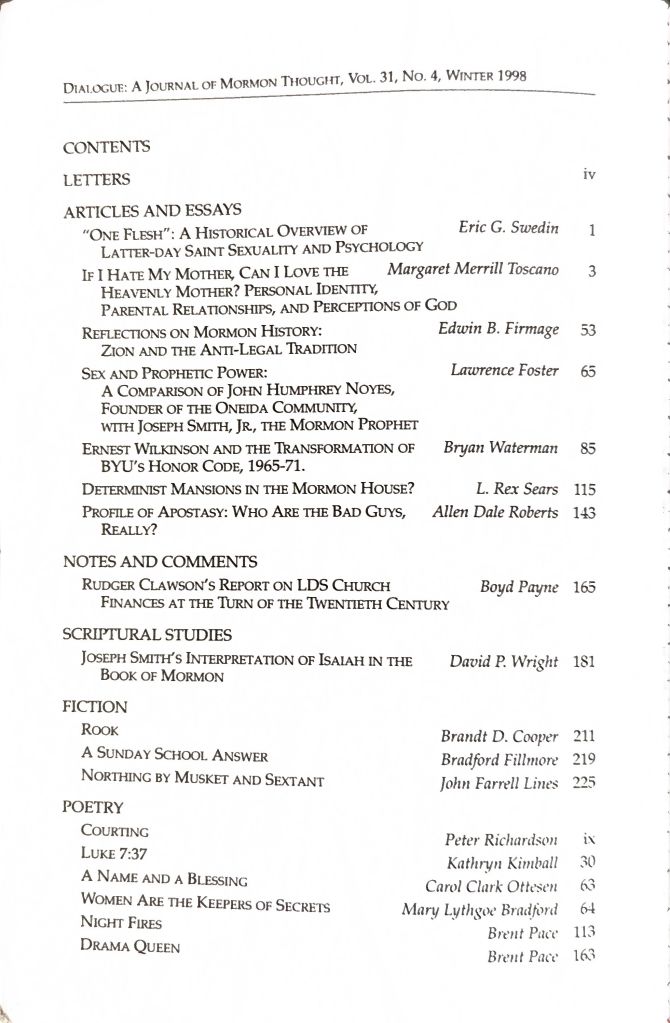
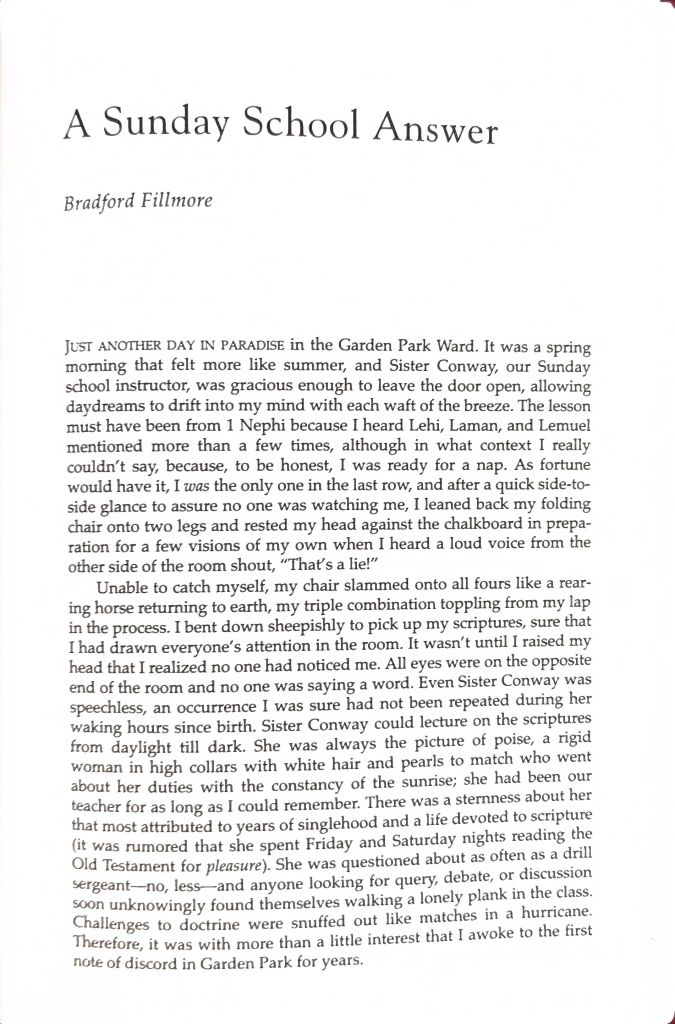
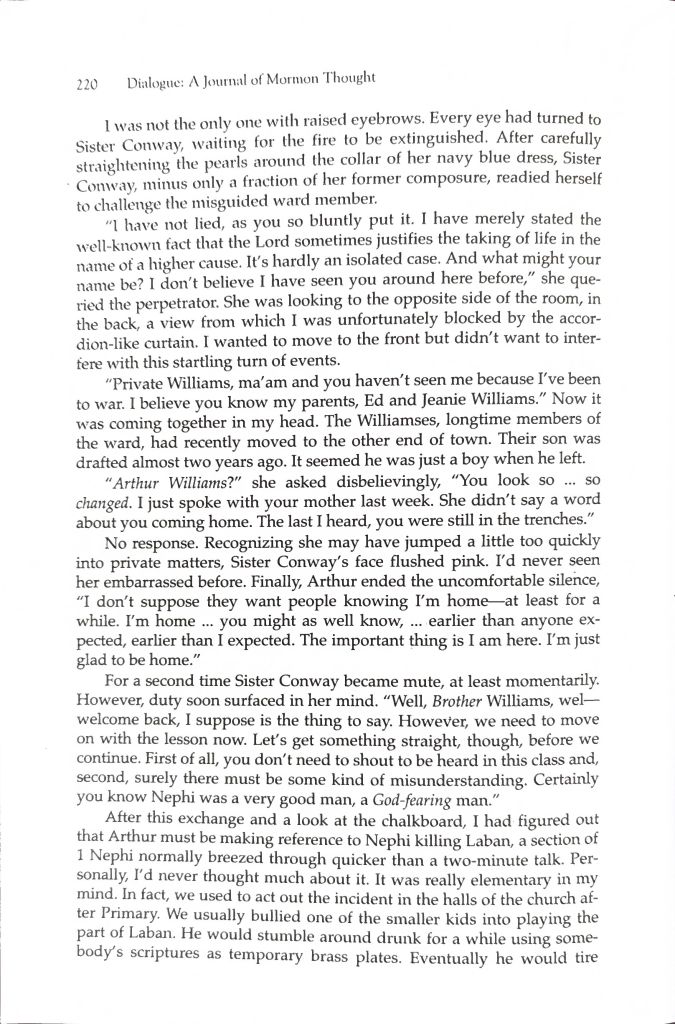
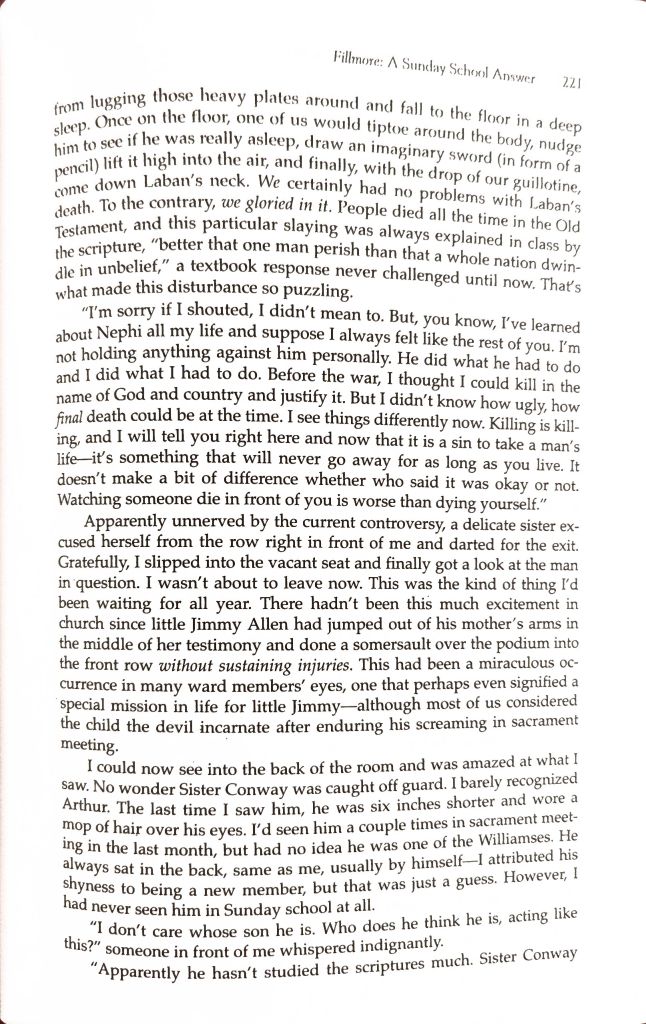
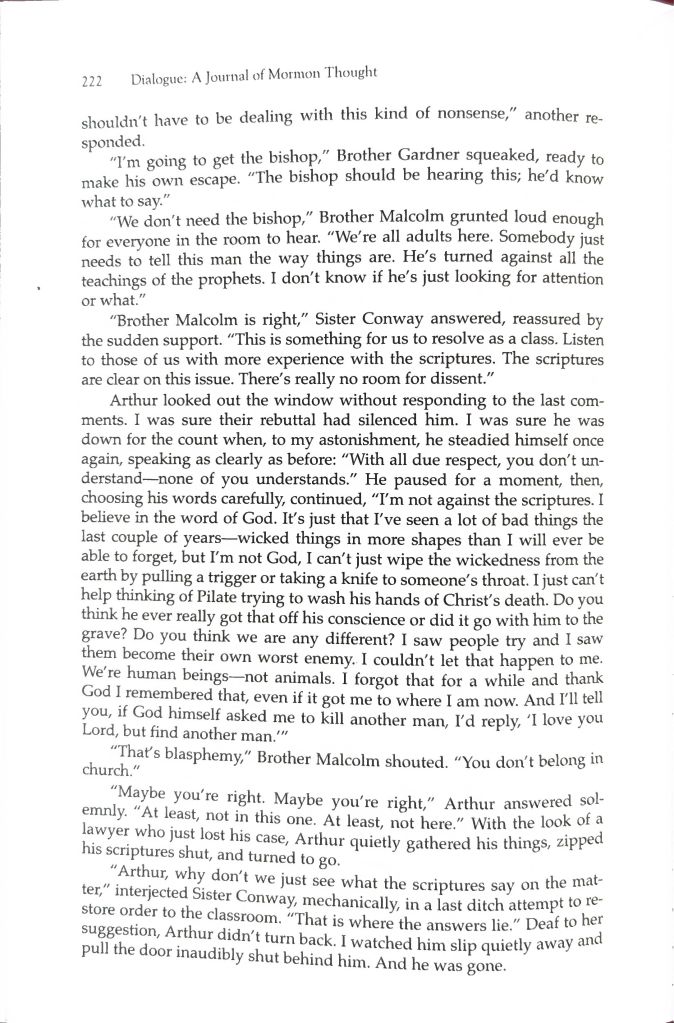
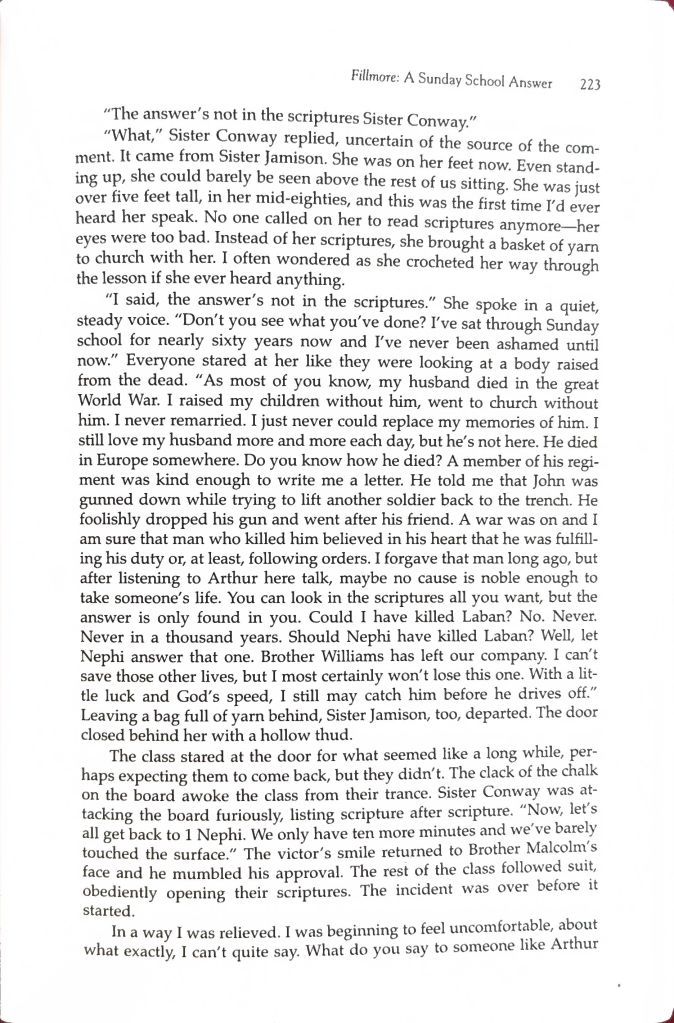
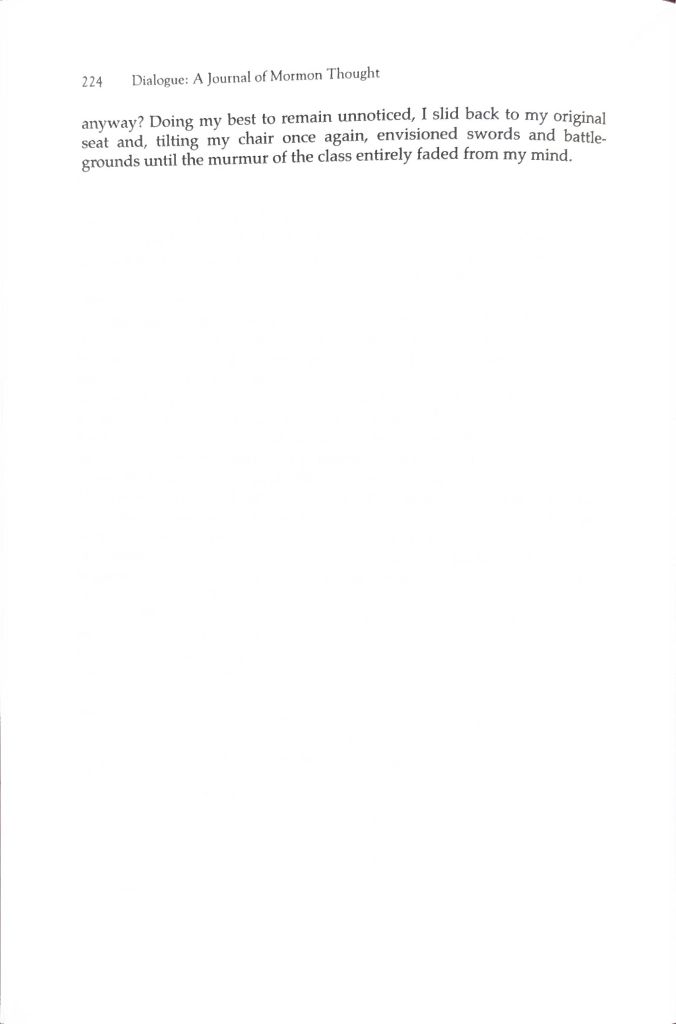
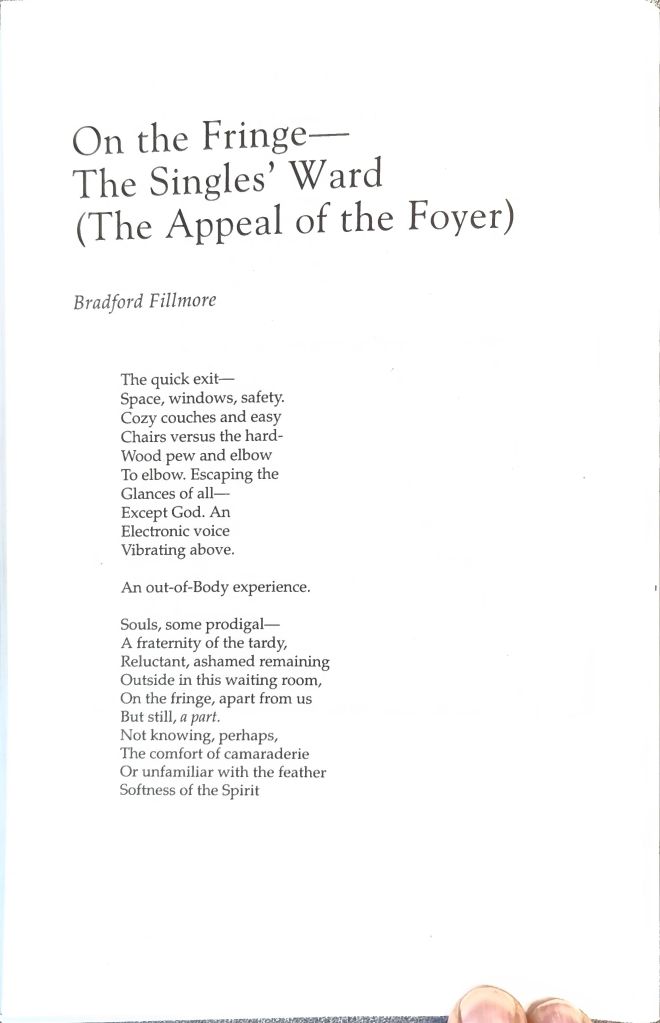
So I went to work on a new short story set in a Sunday School class, in which a class member challenges the instructor’s interpretation of scripture. That story got published as “A Sunday School Answer.” Then I ventured into uncharted territory with a poem about members of an LDS singles’ ward in which members in the foyer feel both literally and figuratively separated from the congregation in the chapel. I wrote the first draft of that poem during the meeting, in the foyer of a singles’ ward in Holliday, UT, while I was ward-hopping in search of love and friendship.
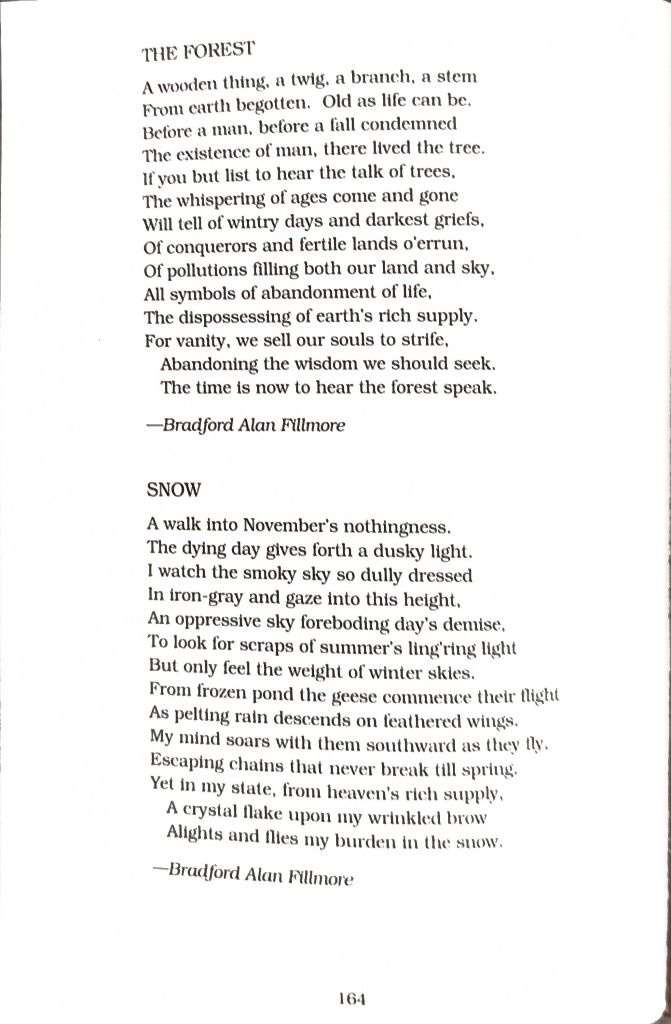
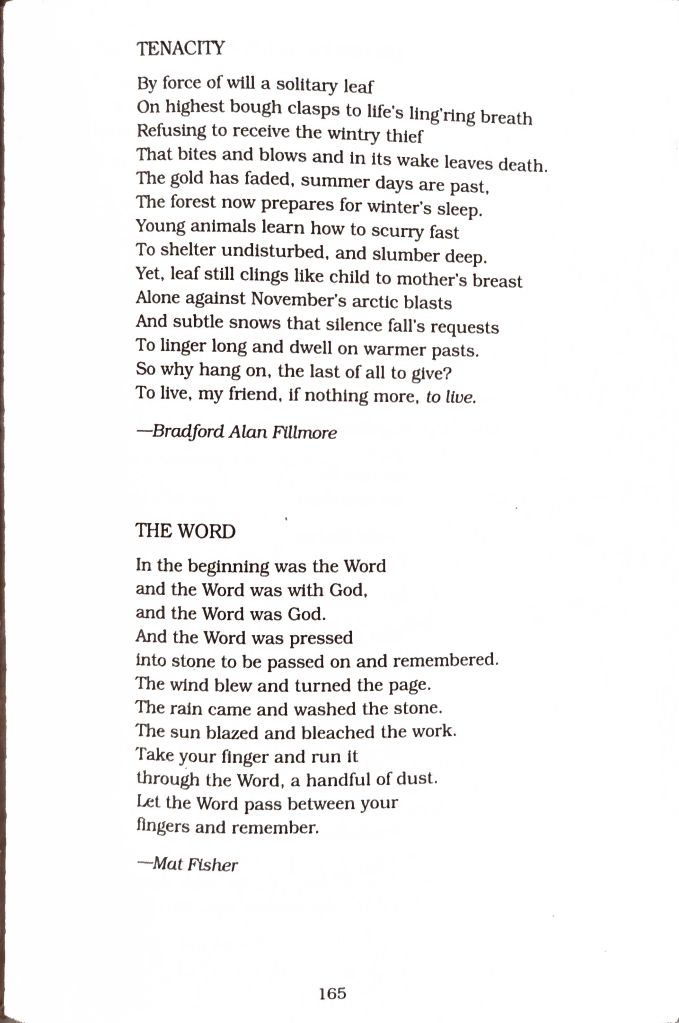
The last piece I am sharing here is a collection of 3 sonnets I wrote in Dr. Crowe’s creative writing class. I had also always been in awe of how much Shakespeare and others had been able to say, and to say so beautifully, in such a highly structured format. I normally prefer free verse poetry, but the effort taught me the importance of conciseness and that sometimes less is more. I found the sonnet form to be challenging but engaging. Once I got the iambic rhythm burned into my brain, it came pretty naturally. I like the “volta,” the turn in thought usually employed in sonnets. I also became especially conscious that each word choice matters. As Mark Twain said, “The difference between the almost right word and the right word is really a large matter– ’tis the difference between the lightning bug and the lightning.”
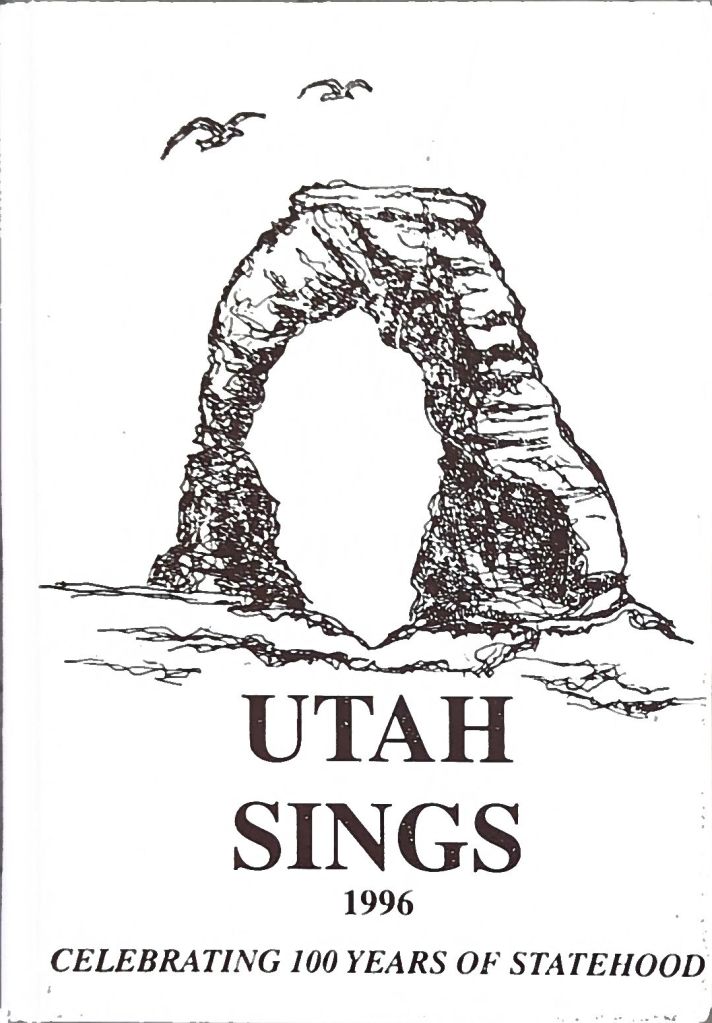
You might notice a melancholy tone in the sonnets. They were written in the fall, just after a girl I cared for deeply ended the relationship. Luckily for me, a break-up proved a catalyst for the sonnets. I had a little more time on my hands for soul-searching. 🙂 The collection, “Utah Sings,” was published by the Utah State Poetry Society. I doubt that they turned away too many submissions, but I am still pleased with sonnets.
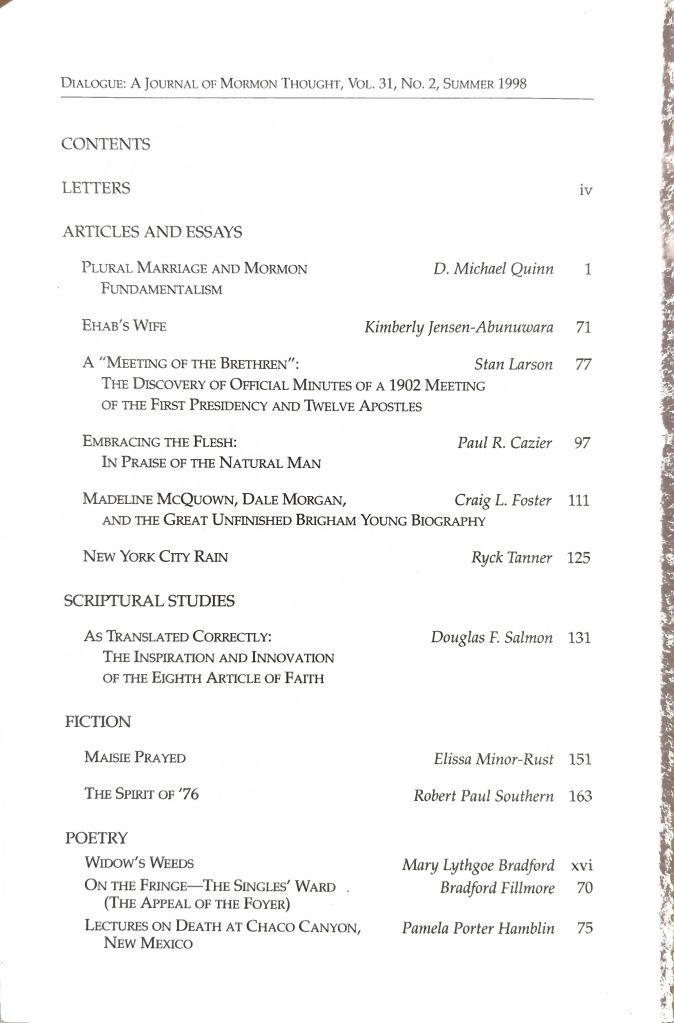
Here are the publications:
 My Song of Myself
Leave a comment